Abstract Borders and Frames: Elevate Your Design Projects with Elegant Vector Ornamental Designs
When it comes to creating visually striking designs, the right borders and frames can make all the difference. Abstract borders and frames, particularly those with a vintage or ornamental touch, offer a versatile and sophisticated way to enhance your creative work. Whether you're designing for print, digital media, or custom merchandise, these elements provide a refined aesthetic that complements a wide range of styles—from art deco to modern minimalism.
What Are Abstract Borders and Frames?
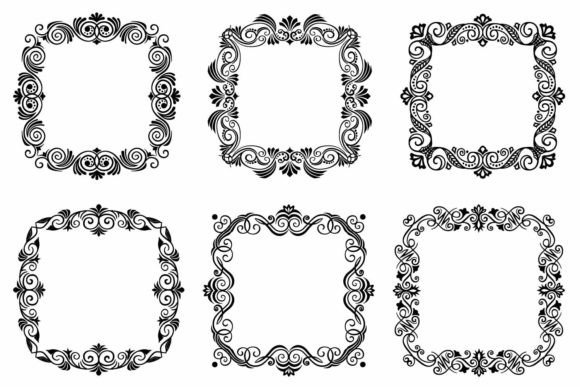
Abstract borders and frames are design elements that add structure, elegance, and visual interest to any project. Unlike traditional borders, which often follow a uniform pattern, abstract versions incorporate unique shapes, lines, and textures that create a more dynamic and artistic effect. These designs are often inspired by calligraphy, linear patterns, and decorative motifs, making them ideal for projects that require a touch of luxury or refinement.
Many of these designs come in vector formats, such as SVG, AI, and EPS, allowing for easy scaling and customization without losing quality. This makes them perfect for use in a variety of applications, from greeting cards to book covers and beyond.
Why Choose Vintage Abstract Frames and Borders?
Vintage abstract frames and borders bring a sense of timeless elegance to any design. Their intricate details and ornamental flair evoke a feeling of sophistication that is hard to replicate with modern, minimalist alternatives. These designs are especially popular among artists, designers, and crafters looking to add a touch of class to their work.
One of the key advantages of using vintage-inspired abstract borders is their adaptability. They can be used in both traditional and contemporary contexts, making them a valuable addition to any design toolkit. For example, they work well in scrapbooking, where they can frame photos or journal entries, or in book design, where they can serve as chapter dividers or decorative elements.
Applications of Abstract Borders and Frames
The versatility of abstract borders and frames means they can be applied across multiple industries and projects. Here are some common uses:
- Valentine Cards: Use elegant linear frames to create romantic and heartfelt designs that stand out.
- Printing and Merchandise: Incorporate these borders into t-shirts, mugs, and other products for a premium look.
- Scrapbooking: Add a touch of sophistication to your pages with vintage-style borders that complement your photos and layouts.
- Book Designs: Use ornamental frames to highlight important sections or add a decorative element to your layout.
- Awards and Certificates: Enhance the appearance of certificates and awards with luxurious borders that convey recognition and achievement.
These designs also work well for invitations, postcards, and labels, offering a professional and polished finish that elevates the overall presentation of your work.
High-Resolution Files for Professional Use
When working on design projects, the quality of your assets is just as important as the creativity behind them. That’s why many abstract border and frame sets come in high-resolution formats such as JPG and PNG, ensuring clarity and sharpness at any size. The included files—six in each format—offer flexibility for different applications, whether you need a simple background or a detailed design element.
For projects that require transparency, the PNG files with transparent backgrounds are an excellent choice. They allow you to place the frames and borders over any color or image without the need for additional editing. Meanwhile, the vector formats—SVG, AI, and EPS—provide the highest level of scalability and editability, making them ideal for use in Adobe Illustrator and other design software.
Designing with Abstract Borders and Frames
Using abstract borders and frames effectively requires a balance between style and function. While these elements add visual appeal, they should not overwhelm the main content of your design. Instead, they should complement it, drawing attention to key areas without distracting from the overall message.
One approach is to use a single, bold frame to surround an image or text, creating a focal point that enhances the composition. Alternatively, you can layer multiple frames or borders to add depth and complexity to your design. This technique works well in art deco-style projects, where layered patterns and geometric shapes are commonly used.
Another consideration is the placement of the frames. In some cases, a border may be placed around the edges of a page or canvas, while in others, it might be used as a divider between sections. Experimenting with different placements can help you find the best way to integrate these elements into your work.
Best Practices for Using Abstract Borders and Frames
To get the most out of your abstract borders and frames, consider the following tips:
- Match the Style: Choose frames and borders that align with the overall theme of your project. A vintage design, for example, will look out of place if paired with a modern, clean layout.
- Use Contrast: Ensure there is enough contrast between the border and the background or content it surrounds. This helps maintain readability and visual clarity.
- Keep It Simple: Avoid overloading your design with too many frames or borders. A few well-placed elements can have a greater impact than a cluttered layout.
- Test Different Sizes: Experiment with varying sizes and placements to see how they affect the overall composition of your design.
By following these guidelines, you can ensure that your use of abstract borders and frames enhances rather than detracts from your creative work.