Monkey Continuous Line Art: A Minimalist Approach to Wildlife Design
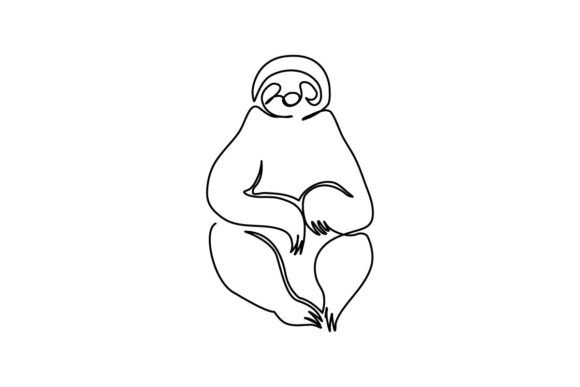
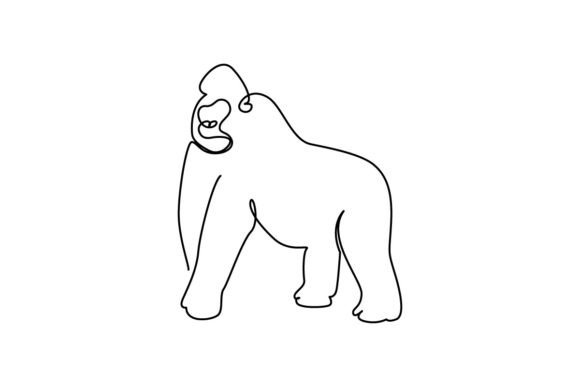
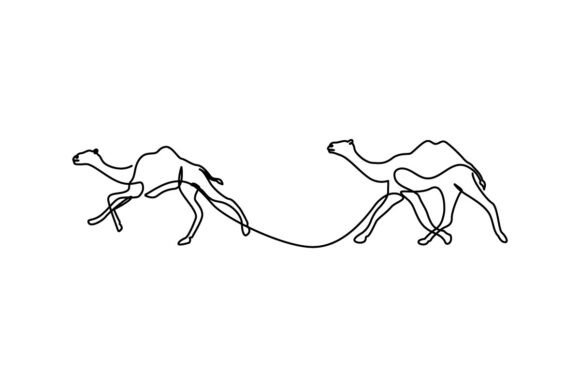
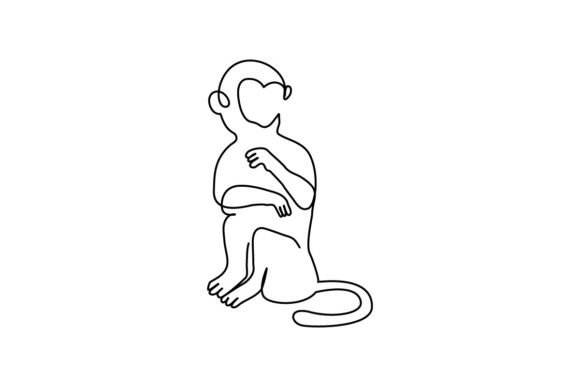
Monkey Continuous Line Art is a unique form of vector illustration that captures the essence of wildlife through a single, unbroken line. This minimalist style emphasizes simplicity, elegance, and clarity, making it ideal for decorative elements in various creative and professional contexts. Whether used as a standalone design or integrated into larger projects, this technique offers a fresh perspective on how to represent animals with clean, flowing lines.
Understanding Monkey Continuous Line Art
At its core, Monkey Continuous Line Art is a method of drawing where the entire image is created using one continuous stroke without lifting the pen from the surface. This approach requires careful planning and precision, as each line must be thoughtfully placed to convey the intended form and movement. The result is a visually striking image that balances detail with simplicity, often evoking a sense of calm and focus.
This style is particularly well-suited for wildlife illustrations, where the goal is to capture the natural beauty and character of an animal without unnecessary complexity. The use of a single line allows for a strong visual narrative while maintaining a clean aesthetic that works well on white backgrounds.
Where Monkey Continuous Line Art Fits in a Workflow
Monkey Continuous Line Art can be incorporated at various stages of a project, depending on the specific needs and goals. Before starting a design, this technique can serve as a quick sketching method to explore ideas and refine compositions. During the creation process, it can act as a guide for more detailed work, helping to maintain consistency and flow. After the initial design is complete, it can be used as a base for further embellishment or adaptation into different formats.
For example, a graphic designer working on a branding project might begin by sketching a monkey using continuous line art to establish a strong visual identity. This initial concept can then be refined into a more detailed vector illustration, which can be used across multiple platforms, from digital marketing materials to physical merchandise.
Integration with Other Tools and Methods
Monkey Continuous Line Art is not a standalone solution but rather a complementary technique that can be used alongside other design tools and methods. When working with vector software like Adobe Illustrator or Inkscape, designers can leverage the continuous line approach to create scalable, high-quality illustrations that maintain their integrity at any size.
This style also pairs well with other minimalist design principles, such as negative space, symmetry, and balance. By combining these elements, artists can create visually compelling images that resonate with audiences while maintaining a cohesive aesthetic.
Practical Implementation Tips
To effectively implement Monkey Continuous Line Art, start by identifying the key features of the subject you want to draw. Focus on the main shapes and contours, and plan how the line will move from one part of the image to another. Practice is essential, as mastering this technique requires both skill and patience.
When working digitally, use tools that allow for smooth, fluid strokes, such as a stylus and tablet. These devices offer greater control and precision, making it easier to maintain a consistent line throughout the design. For traditional artists, practicing on paper first can help build confidence and improve hand-eye coordination.
Workflow Examples
Consider the following workflow for integrating Monkey Continuous Line Art into a design project:
- Concept Development: Sketch rough ideas using continuous lines to explore different forms and compositions.
- Refinement: Use vector software to digitize and refine the lines, ensuring they are clean and precise.
- Adaptation: Modify the design to fit specific requirements, such as adjusting proportions or adding color accents.
- Output: Export the final illustration in multiple formats, including EPS and JPG, to suit different use cases.
Factors to Consider for Long-Term Use
When using Monkey Continuous Line Art in a professional or personal context, several factors should be taken into account to ensure long-term usability and quality. Preparation is key—taking the time to plan the design and understand the subject matter can significantly improve the final outcome. Compatibility with other design elements is also important, as the continuous line style may need to be adjusted to fit within a broader visual system.
Usability and organization play a role in how easily the design can be adapted for different purposes. Keeping files well-structured and labeled ensures that the illustration can be accessed and modified efficiently. Consistency in style and execution helps maintain a professional appearance across all applications.
Quality Control and Efficiency
Quality control is essential when working with Monkey Continuous Line Art, as even small errors can affect the overall impact of the design. Regularly reviewing the work and making adjustments as needed ensures that the final product meets the desired standards. Efficiency can be improved by establishing a clear workflow and using tools that streamline the design process.
For those who plan to use this style frequently, developing a library of reference sketches or templates can save time and effort. This resource can serve as a foundation for future projects, allowing for quicker implementation without sacrificing quality.
Conclusion: Embracing the Power of Continuous Line Art
Monkey Continuous Line Art offers a unique and effective way to represent wildlife through a minimalist, flowing design. Its versatility makes it suitable for a wide range of applications, from personal projects to professional workflows. By understanding how to integrate this technique into existing processes, creators can enhance their visual storytelling and produce high-quality, impactful designs.
Whether used as a standalone element or combined with other design methods, Monkey Continuous Line Art provides a powerful tool for expressing creativity with clarity and precision. With the right approach and attention to detail, this style can become a valuable asset in any artist’s or designer’s toolkit.