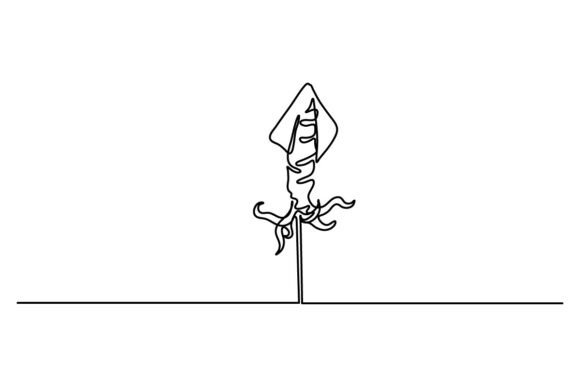
Squid One Continuous Line: A Unique Design Concept for Restaurant Menus
For restaurant owners and designers looking to create a memorable dining experience, the Squid One Continuous Line design concept offers a fresh and creative approach. This design is characterized by a single, flowing line that forms intricate patterns, often inspired by the movement of a squid. The result is a visually striking element that can elevate the aesthetics of a menu while maintaining a clean, modern look.
What Is Squid One Continuous Line?
The Squid One Continuous Line is a design style that uses a single, unbroken line to create complex and elegant patterns. It's often used in graphic design, illustration, and branding. When applied to a restaurant menu, this concept can add a sense of sophistication and uniqueness. The design typically features decorative elements drawn on a white background, making it ideal for both digital and print formats.
Designers and restaurateurs appreciate this style because it allows for a minimalist yet impactful visual identity. The continuous line can be adapted to various applications, from logo creation to menu layout, offering flexibility and consistency across different platforms.
Common Mistakes When Using Squid One Continuous Line
While the Squid One Continuous Line is visually appealing, there are several common mistakes that users may make when implementing this design. One of the most frequent errors is not considering the scalability of the design. A continuous line that looks great at a large size may become too thin or unclear when scaled down for a menu card or website header.
Another mistake is failing to maintain clarity. The complexity of the line can sometimes overshadow the message, making it difficult for customers to read or understand the content. This is especially true if the design is overly intricate or if the text is placed too close to the line art.
Additionally, some users overlook the importance of color contrast. While the design is often created on a white background, the choice of colors for the line itself can affect readability and overall appeal. Dark lines on a white background may work well, but using light or pastel tones without proper contrast can make the design appear washed out.
How These Mistakes Can Impact Your Menu
Choosing the wrong scale or failing to maintain clarity can lead to a design that doesn't serve its purpose. A menu with a complicated continuous line may confuse customers rather than enhance their experience. In some cases, the design might even detract from the food photography or text, making the menu less effective.
Incorrect color choices can also affect the overall impression of the restaurant. A poorly executed design may give the impression of low quality or lack of attention to detail, which can influence customer perception and satisfaction.
Practical Advice for Using Squid One Continuous Line
To avoid these pitfalls, start by understanding the intended use of the design. If you're creating a menu, consider how the design will appear in different formats—print, digital, or social media. Test the design at various sizes to ensure it remains legible and visually appealing.
When working with a continuous line, keep the design balanced. Avoid overcomplicating the pattern, and ensure there is enough negative space to allow the content to breathe. This helps maintain a clean and professional look while still showcasing the unique qualities of the design.
Finally, pay attention to color choices. Use high-contrast colors to make the line stand out without overwhelming the rest of the design. If you're unsure about the best color scheme, consult with a designer or use online tools to test different combinations.
What to Check Before Using Squid One Continuous Line
Before finalizing your design, review the file formats available. Many designers offer the Squid One Continuous Line in EPS, SVG, and JPG formats, each with its own advantages. EPS and SVG files are ideal for scalable graphics, while JPG is better suited for web use or high-resolution prints.
Ensure that the design is vector-based if you plan to resize it for different applications. Vector files maintain quality at any size, whereas raster images like JPG can lose clarity when scaled up. This is especially important for menus that may need to be printed in various sizes or used across multiple platforms.
Also, verify that the design is royalty-free or properly licensed for commercial use. Some designs may have restrictions that could limit your ability to use them in a restaurant setting, so it's essential to check the terms of use before purchasing or downloading.
Realistic Examples and Better Approaches
Instead of using a highly detailed continuous line that distracts from the menu content, consider a simpler version that complements the text and imagery. For example, a subtle line that frames the menu title or separates sections can add elegance without overwhelming the reader.
Another approach is to integrate the design into the overall branding of the restaurant. If the restaurant has a specific theme or color palette, the Squid One Continuous Line can be adapted to fit that style. This creates a cohesive look that reinforces the brand identity and enhances the customer experience.
For those new to this design concept, start with a basic template and experiment with different variations. Many online marketplaces offer customizable templates that allow you to adjust the line thickness, color, and placement to suit your needs.
Conclusion: Make Informed Choices With Squid One Continuous Line
The Squid One Continuous Line offers a unique and stylish way to enhance your restaurant menu. However, success depends on careful planning and execution. By avoiding common mistakes and following practical advice, you can create a design that is both visually appealing and functional.
Before making a decision, take the time to evaluate the design’s scalability, clarity, and compatibility with your brand. Whether you're a beginner or an experienced designer, the right approach can help you achieve the desired results and create a menu that stands out in a competitive market.