The Art and Utility of Isometric Bedrooms in Modern Design
In the evolving landscape of interior design and visual storytelling, the isometric bedroom has emerged as a powerful tool for both creativity and practicality. This unique approach to representing space offers a three-dimensional perspective that goes beyond traditional two-dimensional blueprints or photographs. By using isometric projection, designers and artists can convey the layout, furniture arrangement, and decorative elements of a bedroom in a way that is both informative and visually engaging. Whether used for architectural visualization, marketing materials, or artistic expression, the isometric bedroom is becoming an essential element in the modern design toolkit.
What Is an Isometric Bedroom?
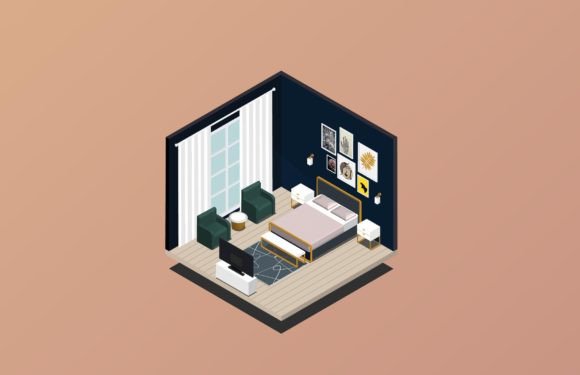
An isometric bedroom is a visual representation of a bedroom space created using isometric projection—a technique that allows for the depiction of three-dimensional objects on a two-dimensional plane without the use of perspective. Unlike traditional perspective drawings, which simulate depth by converging lines toward a vanishing point, isometric projections maintain consistent angles and proportions, resulting in a balanced and symmetrical view of the space.
This method enables viewers to see multiple aspects of the room at once, such as the bed, dresser, nightstand, and other furniture pieces, all while maintaining a clear sense of spatial relationships. The result is a detailed and immersive representation that captures the essence of the bedroom's design in a way that is both aesthetically pleasing and functionally informative.
The Rise of Isometric Design in Contemporary Visual Culture
The popularity of isometric bedrooms reflects broader trends in visual design and digital media. As consumers become more accustomed to interactive and multi-layered content, the demand for dynamic and engaging visuals has increased. In fields such as architecture, interior design, and even video game development, isometric projections are being used to create compelling visual narratives that bridge the gap between art and utility.
One of the key reasons for this trend is the growing importance of visual storytelling in marketing and communication. For businesses looking to showcase their products or services, an isometric bedroom can serve as a powerful tool to illustrate how a space might look and feel. It provides a clear, stylized representation that can be easily adapted for different platforms, from social media to print materials.
Why Isometric Bedrooms Matter in Today’s Design Landscape
As the design industry continues to evolve, so too do the needs and expectations of clients and professionals. Isometric bedrooms address several key challenges in modern design, including the need for clarity, versatility, and aesthetic appeal. They offer a way to present complex spatial information in a simple, digestible format that is accessible to a wide audience.
For instance, in the realm of interior design planning, isometric projections allow designers to communicate their ideas effectively to clients. Instead of relying solely on sketches or 3D renderings, which can sometimes be overwhelming or difficult to interpret, an isometric bedroom provides a clean and structured view that highlights the functionality and style of the space.
Additionally, the rise of digital tools and software like Blender, SketchUp, and Adobe Illustrator has made it easier than ever to create high-quality isometric designs. These tools enable designers to experiment with different layouts, materials, and color schemes, all while maintaining the integrity of the isometric perspective. This accessibility has contributed to the widespread adoption of isometric bedrooms across various industries.
Practical Applications of Isometric Bedrooms
The applications of isometric bedrooms extend far beyond the realm of interior design. In the world of product design, for example, isometric projections are often used to showcase furniture and home accessories in a way that emphasizes their form and function. This approach is particularly useful for e-commerce, where customers need to visualize how a product will fit into their space before making a purchase.
Another area where isometric bedrooms have proven valuable is in educational and training contexts. For students studying architecture or interior design, isometric drawings provide a hands-on way to understand spatial relationships and design principles. They also serve as excellent teaching aids, helping instructors explain complex concepts in a more intuitive and engaging manner.
In the entertainment industry, isometric bedrooms are frequently used in video games and animation to create immersive environments that are both visually appealing and easy to navigate. This is especially true in simulation games, where players interact with virtual spaces that mirror real-world design principles.
Isometric Bedrooms and the Future of Design Communication
As technology continues to advance, the role of isometric bedrooms in design communication is likely to expand. With the increasing integration of augmented reality (AR) and virtual reality (VR), isometric projections may soon be used to create interactive experiences that allow users to explore and manipulate virtual spaces in real time.
This shift towards more immersive and interactive design tools aligns with broader changes in consumer behavior. Today’s audiences expect more than just static images—they want to engage with content in meaningful ways. Isometric bedrooms offer a solution that meets these expectations by providing a dynamic and versatile way to represent space.
Moreover, as sustainability and efficiency become more important in the design industry, isometric bedrooms can play a role in promoting eco-friendly practices. By allowing designers to experiment with layouts and materials in a virtual environment, they help reduce waste and streamline the design process, making it more cost-effective and environmentally responsible.
Conclusion: Embracing the Power of Isometric Design
The isometric bedroom is more than just a visual technique—it is a reflection of changing design priorities and technological advancements. As professionals and creators continue to explore new ways to communicate ideas and solve problems, the value of isometric projections will only grow.
Whether you are an architect, designer, marketer, or entrepreneur, understanding the potential of isometric bedrooms can open up new opportunities for innovation and engagement. By leveraging this powerful tool, you can create compelling visual narratives that resonate with your audience and elevate your work to new heights.