The Mandala of Life: Exploring Design
The Mandala of Life, Exploring Design is more than just a visual concept—it's a powerful framework for understanding balance, creativity, and the interconnectedness of existence. Rooted in ancient symbolism, mandalas have long been used as tools for meditation, artistic expression, and spiritual reflection. Today, they serve as versatile design elements that can inspire a wide range of creative projects.
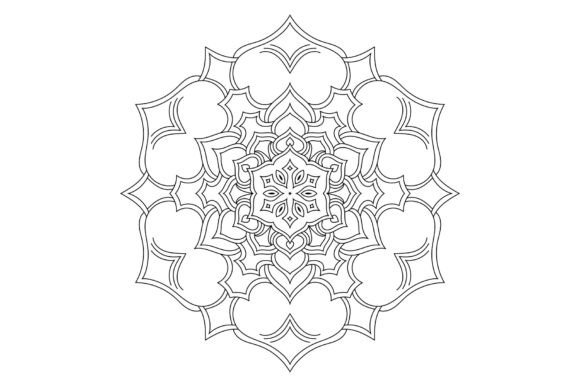
At its core, a mandala is a geometric pattern that radiates from a central point, often featuring intricate, symmetrical designs. This structure represents harmony, unity, and the cyclical nature of life. When applied to design, it offers a foundation for creating visually compelling work that resonates on both aesthetic and conceptual levels.
What Makes The Mandala of Life Unique?
The Mandala of Life, Exploring Design stands out due to its layered complexity and adaptability. Unlike simple circular patterns, this design integrates multiple layers of meaning, making it ideal for those looking to explore deeper themes through visual storytelling. Its symmetry and balance make it a strong choice for branding, editorial illustrations, and digital art.
Whether used as a background element or the focal point of a composition, the mandala’s structured yet fluid form allows for endless variations. It can be interpreted in different styles—from minimalist line drawings to vibrant, full-color compositions—making it accessible to artists of all skill levels.
Creative Applications of The Mandala of Life
Designers, artists, and creators can integrate The Mandala of Life into various projects. For example, graphic designers might use it as a logo or icon, leveraging its symbolic depth to convey messages of balance and growth. Illustrators could incorporate it into book covers, posters, or social media visuals to add a sense of rhythm and cohesion.
In the realm of digital art, the mandala serves as a base for generative design. Artists can manipulate its patterns using software tools to create dynamic, evolving visuals. This approach is especially effective for motion graphics, animations, and interactive web elements.
For educators and content creators, The Mandala of Life offers a visual metaphor for teaching concepts like mindfulness, personal development, and systems thinking. It can be used in presentations, infographics, or educational materials to illustrate complex ideas in a clear and engaging way.
Adapting The Mandala for Different Audiences
The versatility of The Mandala of Life makes it suitable for a wide range of audiences. For instance, a small business owner might use it in marketing materials to symbolize growth and stability. A blogger or content creator could feature it in articles about self-care, spirituality, or creative processes, adding a visual element that enhances reader engagement.
Artists targeting a younger audience might reinterpret the mandala with bold colors and modern aesthetics, while those working in traditional media could focus on hand-drawn details and cultural motifs. The key is to align the design’s style with the intended message and audience expectations.
Practical Tips for Using The Mandala of Life
To get the most out of The Mandala of Life, start by defining your purpose. Are you using it for branding, personal expression, or educational content? Understanding the goal will help guide your design choices. Consider the context in which it will be displayed—whether it’s a website, print material, or social media post—and adjust the scale, color palette, and level of detail accordingly.
When working with digital files, take advantage of the included formats such as EPS, PNG with transparent backgrounds, and JPG. These allow for flexibility in resizing, layering, and integrating the mandala into different projects. Always ensure that the final output maintains clarity and visual impact, regardless of the medium.
Exploring Variations and Styles
One of the greatest strengths of The Mandala of Life is its potential for variation. Experiment with different shapes, textures, and color schemes to find a style that suits your vision. For a modern look, simplify the design with clean lines and muted tones. For a more mystical feel, add intricate details and rich, saturated colors.
Consider incorporating elements from nature, such as leaves, flowers, or celestial symbols, to add depth and meaning. These additions can enhance the mandala’s narrative and make it more relevant to specific themes or audiences.
Conclusion: Embracing the Power of The Mandala of Life
The Mandala of Life, Exploring Design offers a unique blend of beauty, symbolism, and functionality. Whether you're an artist, designer, educator, or entrepreneur, it provides a valuable tool for expressing ideas and connecting with others. By understanding its principles and exploring its applications, you can unlock new creative possibilities and bring greater harmony to your work.
As you experiment with this design, remember that the goal is not just to create something visually appealing, but to communicate a deeper message. Let The Mandala of Life guide your creative process and inspire meaningful connections with your audience.