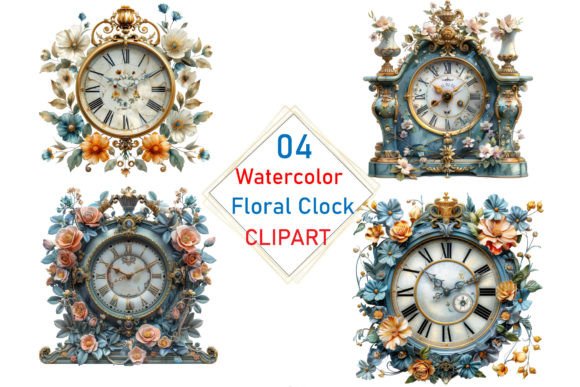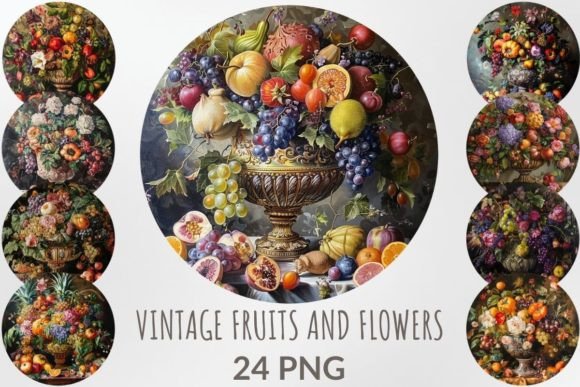
Vintage Flower Illustration: Timeless Beauty in Botanical Art
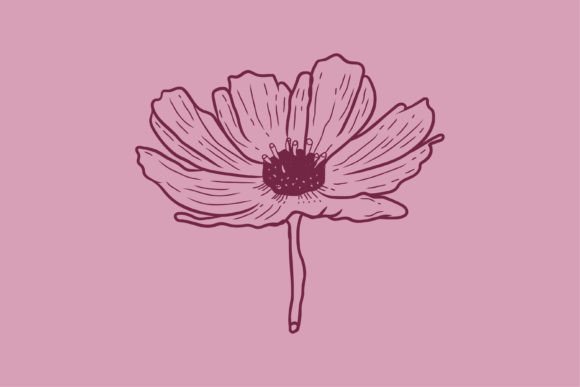
Vintage flower illustration has long captivated artists and designers with its delicate charm and historical significance. These hand-drawn botanical illustrations, often featuring line art isolated on white backgrounds, offer a unique blend of artistry and practicality. Whether you're a designer, artist, or business owner, understanding the value of vintage flower illustration can open up new creative possibilities.
What is Vintage Flower Illustration?
Vintage flower illustration refers to the artistic representation of flowers using traditional techniques that date back centuries. These illustrations are typically created with ink, watercolor, or pencil, emphasizing intricate details and natural forms. The style often evokes a sense of nostalgia, making it a popular choice for those seeking a classic aesthetic.
One of the defining characteristics of vintage flower illustration is its focus on accuracy and detail. Each petal, leaf, and stem is carefully rendered to reflect the true form of the plant. This attention to detail not only makes the illustrations visually appealing but also serves as an educational tool, helping viewers identify different species of flowers.
Key Features of Vintage Flower Illustration
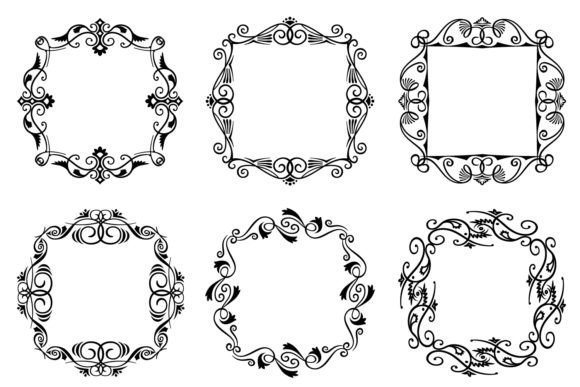
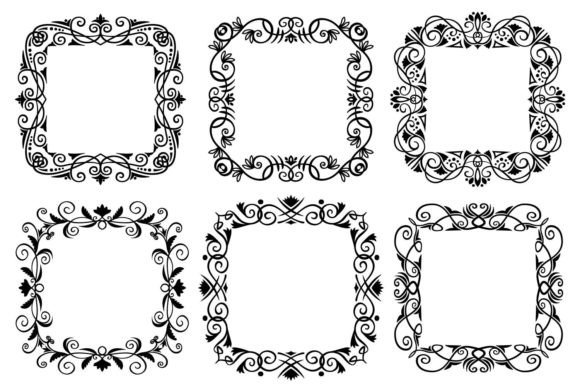
Vintage flower illustration sets itself apart through several key features. First, the use of line art isolated on white backgrounds ensures clarity and versatility. This approach allows the illustrations to be easily adapted for various design projects without the distraction of complex backgrounds.
Another notable feature is the high-resolution format. These illustrations are available in 300dpi, ensuring sharpness and clarity when printed. This makes them ideal for both digital and physical applications, from website graphics to printed materials like greeting cards and invitations.
The vector nature of these illustrations adds to their appeal. Being 100% vector-based, they can be scaled without losing quality, making them suitable for a wide range of sizes and formats. Additionally, the files are well-organized, allowing for easy editing of text, shapes, and colors to suit specific needs.
Applications of Vintage Flower Illustration
Vintage flower illustration has a broad range of applications across different industries. For graphic designers, these illustrations serve as a valuable resource for creating unique and eye-catching designs. They can be used as background elements, decorative accents, or standalone artwork in various projects.
Business owners and entrepreneurs can benefit from vintage flower illustration by incorporating them into branding materials. From logos to packaging, these illustrations add a touch of elegance and sophistication. They are particularly useful for businesses in the floral, gardening, or lifestyle sectors, where a natural and timeless aesthetic is desired.
Artists and illustrators can also find inspiration in vintage flower illustration. The detailed line work and organic shapes provide a foundation for further creativity, whether through digital painting, collage, or mixed media. These illustrations can serve as a starting point for new works or as reference material for botanical studies.
Who Benefits from Vintage Flower Illustration?
Vintage flower illustration appeals to a diverse audience, including general consumers, professionals, creators, and online users. For general consumers, these illustrations offer a way to add a personal touch to home decor, stationery, or gift items. Their timeless beauty makes them a popular choice for those looking to enhance their living spaces with artistic elements.
Professionals such as graphic designers, illustrators, and marketers can leverage vintage flower illustration to elevate their work. The availability of multiple file formats, including AI, EPS, JPG, and SVG, ensures compatibility with various software and platforms. This flexibility allows professionals to integrate these illustrations seamlessly into their projects.
Creators and artists benefit from the editable nature of these illustrations. The ability to modify text, shapes, and colors provides greater creative control, enabling artists to tailor the illustrations to their specific vision. This adaptability makes vintage flower illustration a versatile resource for a wide range of artistic endeavors.
Strengths and Considerations
Vintage flower illustration offers several strengths that make it a valuable resource. Its high resolution and vector format ensure quality and scalability, while the isolated line art provides flexibility for different design applications. The collection of illustrations is well-organized, making it easy to find and use specific elements.
However, there are some considerations to keep in mind. While vintage flower illustration is highly detailed, it may not be suitable for all design styles. Those looking for modern or minimalist aesthetics may find the intricate details overwhelming. Additionally, the historical nature of these illustrations may require careful consideration when used in contemporary contexts.
It's also important to evaluate the suitability of vintage flower illustration based on specific needs. For example, if a project requires a more abstract or stylized approach, the traditional nature of these illustrations may need to be adjusted or combined with other elements to achieve the desired effect.
Real-World Examples and Applications
Vintage flower illustration finds its place in numerous real-world scenarios. One common application is in the creation of greeting cards and invitations. The delicate lines and elegant compositions add a refined touch to these items, making them perfect for weddings, birthdays, and other special occasions.
In the realm of interior design, vintage flower illustrations can be used as wall art or incorporated into textiles such as curtains, cushions, and rugs. Their timeless appeal helps create a warm and inviting atmosphere, blending seamlessly with both traditional and modern decor styles.
For educational purposes, vintage flower illustration serves as a valuable teaching tool. Botanical gardens, schools, and museums often use these illustrations to educate visitors about plant species and their characteristics. The accuracy and detail of these illustrations make them an effective resource for learning and research.
Conclusion
Vintage flower illustration continues to inspire and enrich various fields, from design and art to education and commerce. Its combination of historical charm and practical utility makes it a valuable asset for anyone seeking to incorporate a touch of elegance and authenticity into their work. By understanding the features, applications, and potential of vintage flower illustration, individuals and businesses can unlock new creative opportunities and enhance their projects with timeless beauty.